

Summer in Missouri brings backyard cookouts, neighborhood pool parties, and afternoons spent cooling off at community pools across Springfield, Jefferson City, and Columbia. But every year, those same pools become the setting for serious injuries and heartbreaking losses. When someone is hurt in a swimming pool accident, families are often left with hospital bills, lasting injuries, and difficult questions about who should be held responsible.
Pool accidents are rarely simple. Liability can involve homeowners, landlords, hotels, apartment complexes, public pool operators, and sometimes even the companies that built or maintained the pool equipment. Understanding how Missouri law treats these cases is the first step toward protecting your family.
Missouri Premises Liability and Pool Accidents
Most summer swimming pool accident cases fall under what is known as premises liability. In plain terms, property owners in Missouri have a legal duty to keep their property reasonably safe for the people they invite onto it. That includes guests at a backyard barbecue, members of a public pool, and tenants at an apartment complex with a shared pool.
The level of care owed depends on why the visitor was there. Invited guests and paying customers are generally owed a higher duty than trespassers. But Missouri law also recognizes that some hazards, especially those that attract children, require extra caution.
If you or someone you love has been hurt because a pool was unsafe, a personal injury claim may help cover the costs of recovery. Every case turns on its own facts, but the basic question is the same: did the property owner fail to take reasonable steps to prevent a foreseeable injury?

Who Is Responsible for Pool Safety?
Homeowners with private pools have specific responsibilities under Missouri law and local ordinances. These can include installing proper fencing, locking gates, posting depth markers, and keeping the pool area free from hazards. When a homeowner ignores these duties and someone is hurt, homeowner responsibility can become a central issue in the case.
Public pool operators, hotels, gyms, and apartment complexes generally face a higher standard. They are expected to maintain working drains, post clear signage, provide lifeguards where required, and follow public pool safety regulations. Failure to do so can expose them to liability when swimming pool accidents happen.
How the Attractive Nuisance Doctrine May Apply
Children do not always understand danger the way adults do, and Missouri courts recognize that. Under the attractive nuisance doctrine, a swimming pool can be treated as something especially likely to draw children onto a property, even without permission.
This means a homeowner who leaves a pool unfenced or a gate unlocked may still face responsibility if a neighborhood child wanders in and is hurt, even though that child was technically trespassing. The doctrine does not guarantee a recovery, but it can change how courts evaluate fault when a young child is involved.

Common Causes of Pool Injuries
Swimming pool accidents take many forms, and not all of them involve drowning. The most common include:
- Drowning and near-drowning. These remain the most serious risks, particularly for young children. According to the CDC, drowning is a leading cause of unintentional death for children ages one to four. Near-drowning incidents can also cause permanent brain injury.
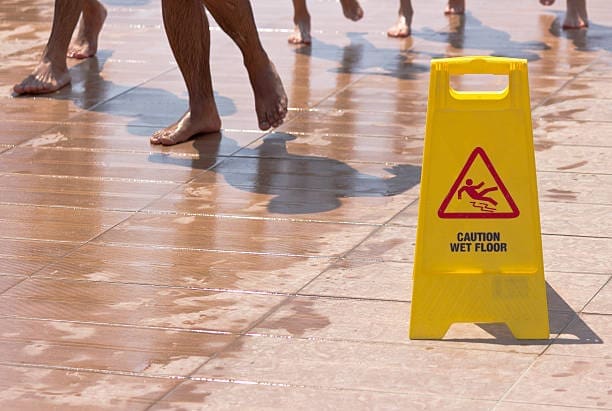
- Slip and falls. Wet decks, broken tiles, and missing handrails lead to fractures, head injuries, and back injuries. Poolside accidents are some of the most frequent claims a slip and fall attorney sees in the summer months.
- Diving board and deck injuries. Shallow water, defective equipment, or broken diving boards can cause neck and spinal injuries.
- Chemical burns and maintenance-related injuries. Improperly stored chlorine, broken drain covers, and faulty pumps can cause skin injuries, eye damage, and even entrapment.
Safety Features That Matter
Missouri property owners and pool operators are expected to take reasonable safety precautions. Common requirements and recommendations include four-sided fencing at least four feet tall, self-closing and self-latching gates, anti-entrapment drain covers, clearly posted depth markers, secure pool covers, and adequate lighting.
Public pools are typically expected to provide trained lifeguards, posted rules, and rescue equipment. Adult supervision remains the single most important factor in preventing childhood drownings. When these features are missing or ignored, the risk of serious injury rises sharply.
Who May Be Liable After a Pool Accident?
Liability often extends beyond a single person. Depending on the circumstances, responsibility may fall on a homeowner, a landlord, a property management company, a hotel or gym, a city or county, or even a manufacturer of defective pool equipment such as drains, ladders, or pumps. Sorting out who is responsible takes a careful look at the facts, including maintenance records, prior complaints, supervision, and whether safety codes were followed.
What Compensation May Be Available?
Compensation depends on the severity of the injury and the strength of the evidence. In Missouri, victims of swimming pool accidents may seek recovery for medical bills, future medical care, lost wages, reduced earning capacity, pain and suffering, and emotional distress. In cases involving catastrophic injuries such as traumatic brain injuries, paralysis, or permanent disability, long-term care and life-care planning costs may also be considered.

When to Talk With a Swimming Pool Accident Lawyer
If you or your child has been injured at a pool, you do not have to figure out the next step alone. A swimming pool accident lawyer can review the facts, explain your options under Missouri law, and help protect your family during a difficult time.
The team at Tolbert Beadle has helped injured Missourians across Springfield, Jefferson City, Columbia, and the surrounding communities understand their rights after serious accidents. To learn more about whether you may have a claim, contact us for a confidential conversation about your situation. Every case depends on its specific facts, and the sooner you reach out, the more we can do to help.
Swimming Pool Accident Liability FAQs
What are the most common swimming pool accidents you see in the Springfield area?
Slip and falls on wet decks, near-drownings involving young children, and injuries tied to poor maintenance or missing fencing are among the most frequent.
How does Missouri law address the attractive nuisance doctrine for residential pools?
Missouri courts recognize that pools attract children, so homeowners can sometimes be held responsible for injuries to child trespassers if they failed to take reasonable steps to secure the pool.
What evidence is most important to preserve after a swimming pool accident?
Photos of the scene, medical records, witness contact information, incident reports, and any maintenance or inspection records can be critical.
What should Springfield residents know about their liability if they own a pool?
Homeowners should follow local fencing and gate ordinances, keep equipment in safe working order, and supervise guests, especially children, closely.